
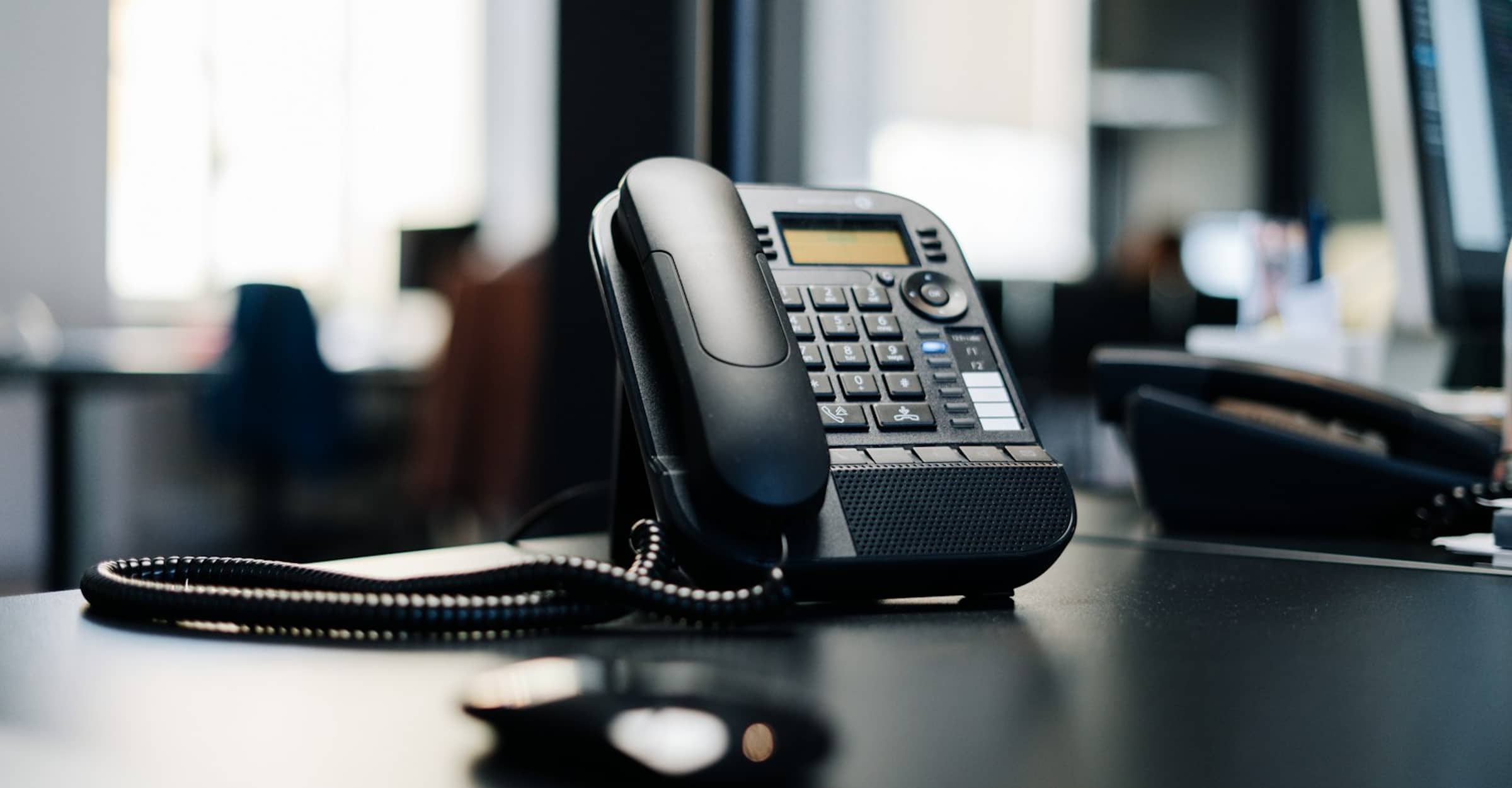
The phone company and the IT company are the same people.
CloudVoice is our own hosted phone system. Every feature is included, none are itemized, and the helpdesk that already supports your IT supports your phones.

Most phone quotes are a low base rate with a menu behind it. Voicemail to email, call recording, an auto attendant, the app on somebody's phone: each one a line item that turns up later. CloudVoice includes the features as standard, so the number you are quoted is the number you pay.
When call quality goes wrong, the usual experience is a three-way argument between the carrier, the phone vendor and the network team. Here those are the same company. One number to call, nobody to hand you off to, and it is the same helpdesk that already knows your environment.
We start by auditing what you are paying for now, because most organizations are still carrying lines they stopped using years ago. Clients commonly report cutting monthly phone spend by up to half once the bill is consolidated and the dead lines are gone.
The same extension, wherever the person is
A CloudVoice extension follows the person, not the desk. The handset in the office, the app on a laptop and the app on a phone are all the same number, so a call transferred to somebody working from home no longer ends in an apology and a promise to call back.
Outbound calls show the office number. That matters more than it sounds: staff stop handing out personal mobile numbers to get a job done, and you stop losing the call history along with the person when they move on.
Adding people does not move you up a licensing tier. Adding people is a configuration change. It is not a contract renegotiation, which is the part that usually costs more than the phones.
What CloudVoice would cost you instead
Two numbers off your current phone bill is enough for a useful estimate. Move both and the figures update as you go.
An estimate, not a quote. Final pricing depends on handset mix, number porting and any carrier contracts still running.
Three handsets, and where each one belongs
You do not need the same phone on every desk. Most sites end up with a mix, and putting the large format handset everywhere is the easiest place to overspend.
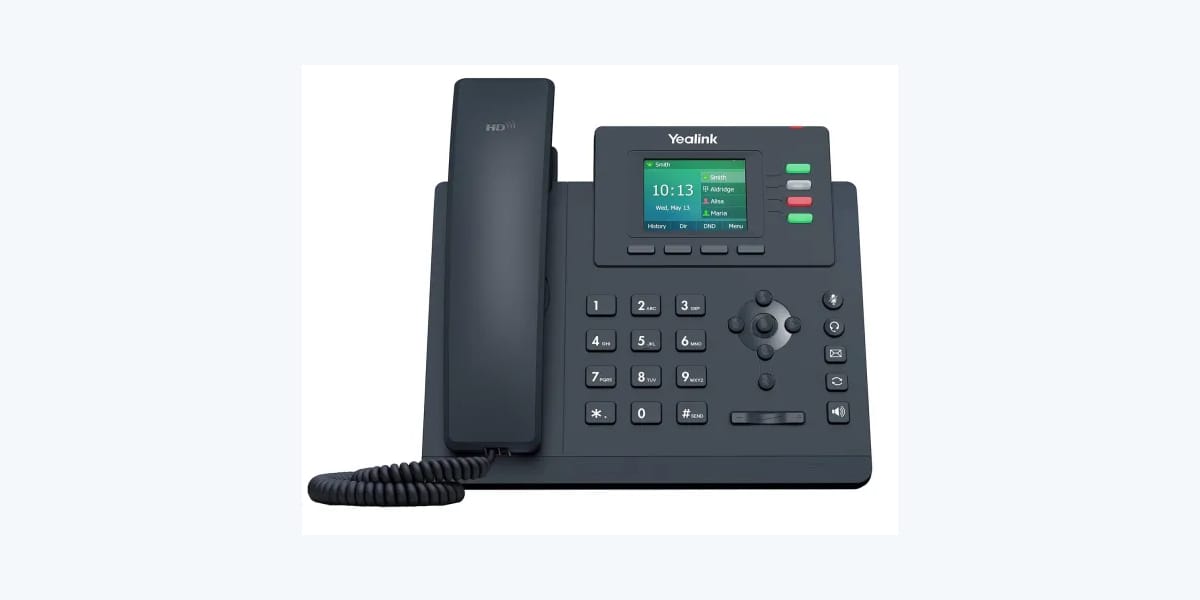
Basic
Entry level, and for places, not people. Break rooms, warehouses, corridors, the wall outside a loading bay. Wall mountable or on a desk, and the right answer anywhere a phone needs to exist without belonging to anybody in particular.
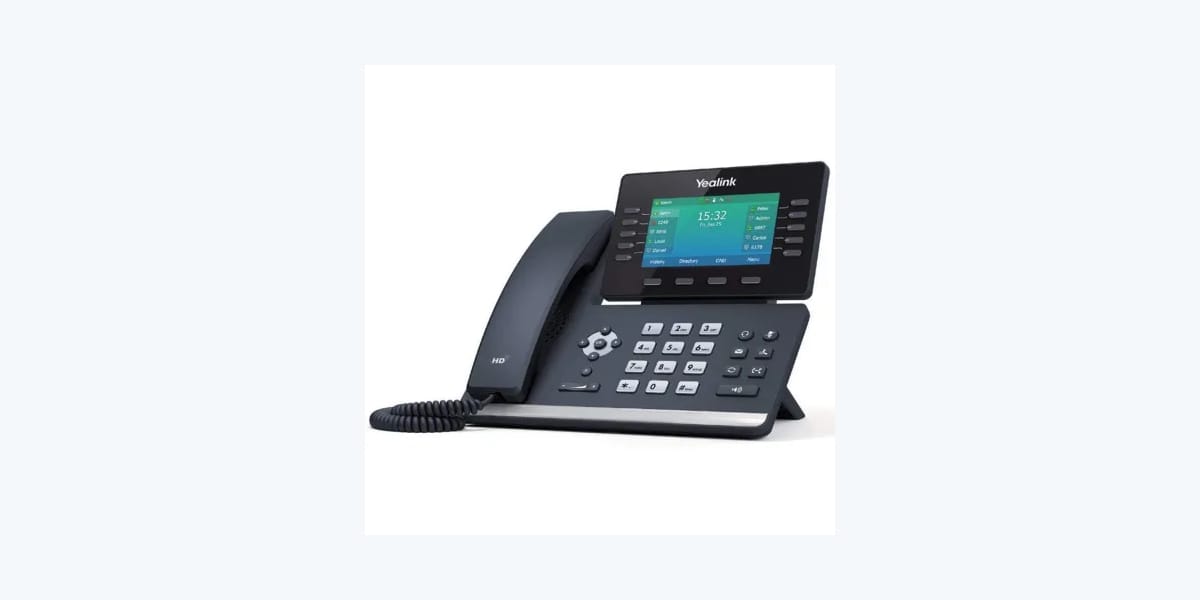
Intermediate
The standard desk phone and what most of your people will have. There is an optional adapter with wifi, which matters more than it sounds: a desk with no network jack no longer needs new cable run to it.
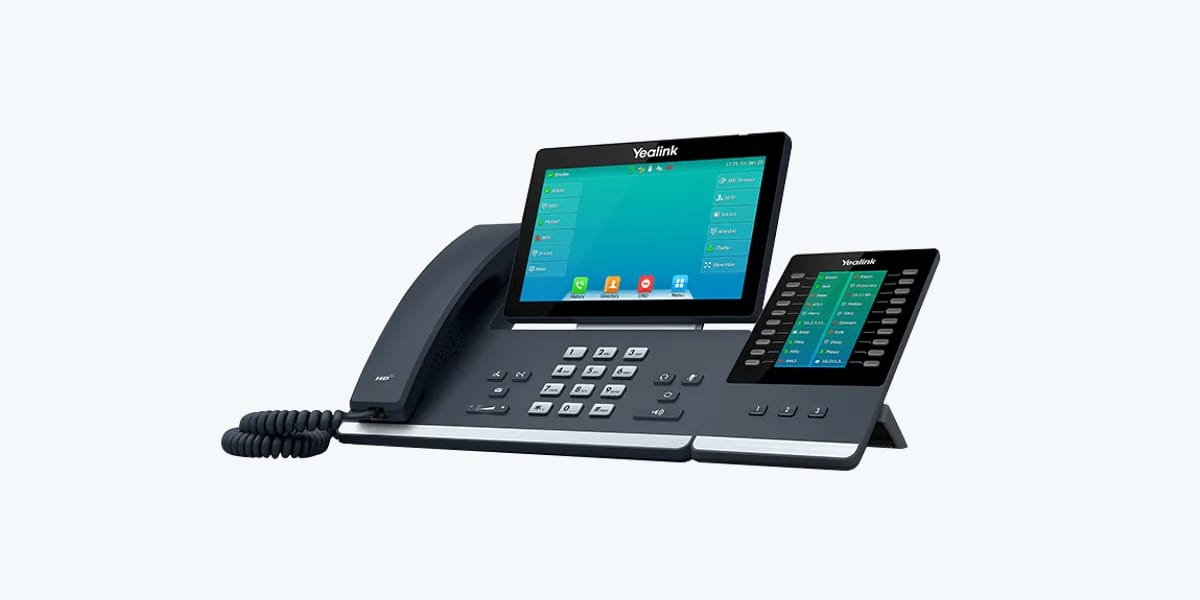
Advanced
Large format, with every line and speed dial visible at once instead of buried in a menu. This is the front desk phone, for somebody watching several lines and transferring calls all day.
Other services
Let's talk about what's not working.
A 20-minute call with a consultant. No sales script.