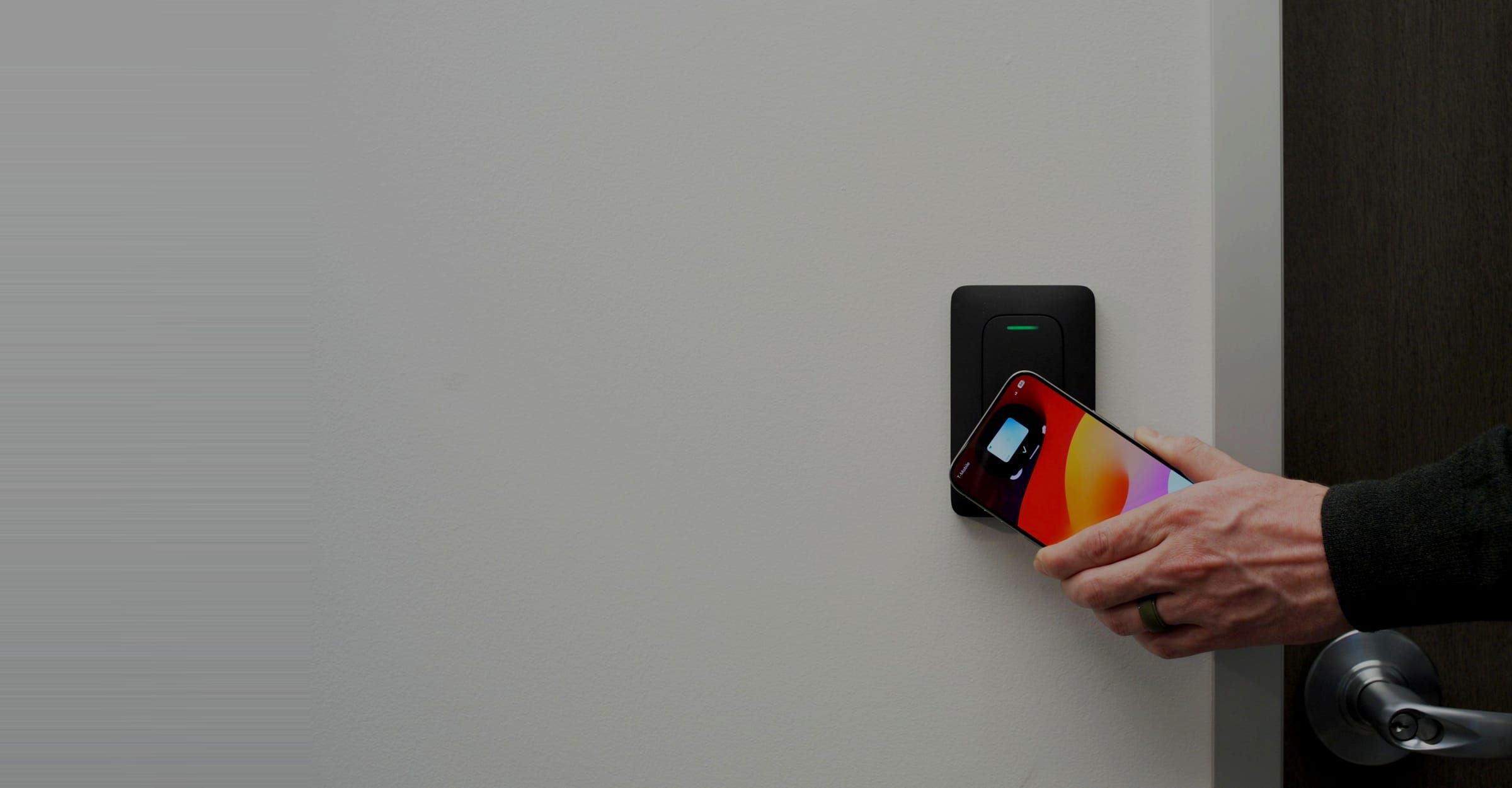
When someone leaves, their badge should stop working that afternoon.
Cameras, access control, alarms, elevator monitoring and vape detection, designed and installed by the team that already runs your network.
Physical security usually gets bought from a company that never touches your network, then bolted onto it afterwards. That is how a camera stops recording and nobody notices for three weeks, and how a badge belonging to someone who left in March still opens the back door.
We build it the other way round. The team that runs your switches, your wireless and your identity system designs the cameras and the door hardware too, because all of it is network equipment now. Access control that reads from your real user data can kill a credential the moment IT disables the account, instead of waiting for somebody to remember.
What you get is footage you can retrieve, doors your front office can manage without calling us, and a system documented to the same standard as the rest of your infrastructure.
Why the cameras go on your network
Physical security devices are computers. A camera runs firmware, stores credentials and sits on your network with an IP address, which makes it exactly as interesting to an attacker as anything else you own. Cameras and door controllers are a well-known way into networks precisely because nobody patches them after the installer leaves.
Because we already manage the network, those devices get the same discipline as the rest of it. Firmware tracked, default credentials removed, segmented onto their own VLAN so a compromised camera cannot see payroll. And when something breaks, the cabling, the switch, the network and the camera are one company's responsibility. There is nobody to hand you off to.
Five systems, one network
Each of these normally arrives from a different vendor, with its own app, its own installer and its own invoice. Running on infrastructure we already manage, they become one system.
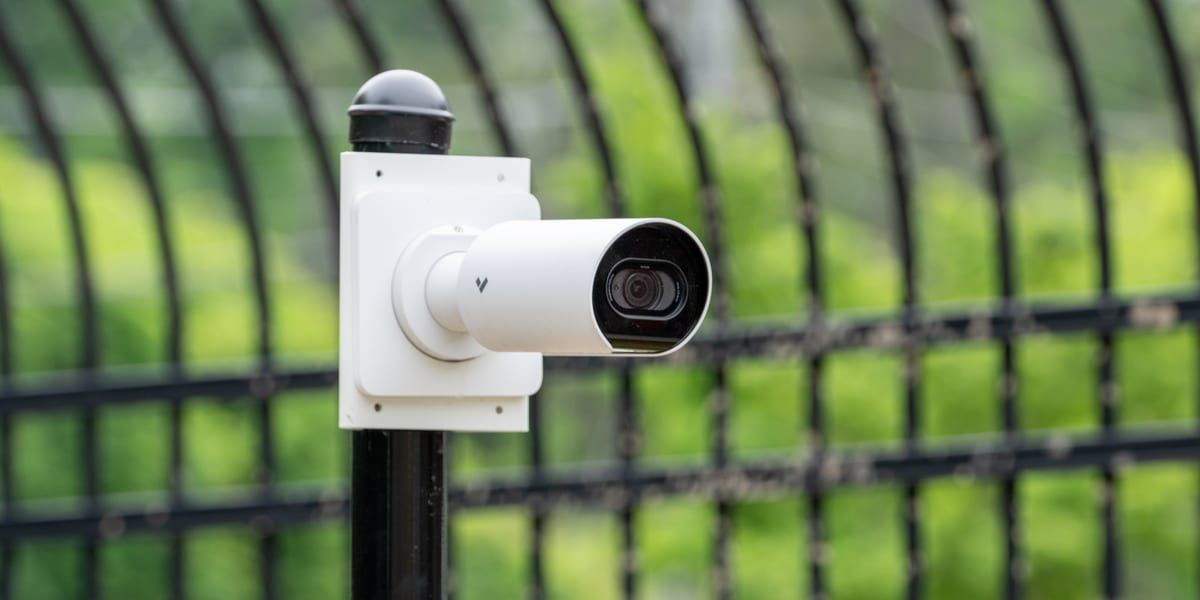
Cloud security cameras
High-definition video with footage held off site and viewable from anywhere. Cloud retention matters less for convenience than for what happens when someone takes or smashes the recorder, which is the first thing an intruder who has done this before goes looking for. Adding cameras later does not introduce a new single point of failure.

Access control
Card and mobile credentials, plus the part most providers skip: the system reads from your real user data. Disable an account and the badge stops working the same afternoon. Onboarding runs the same way, so a new hire's access matches their role on day one.
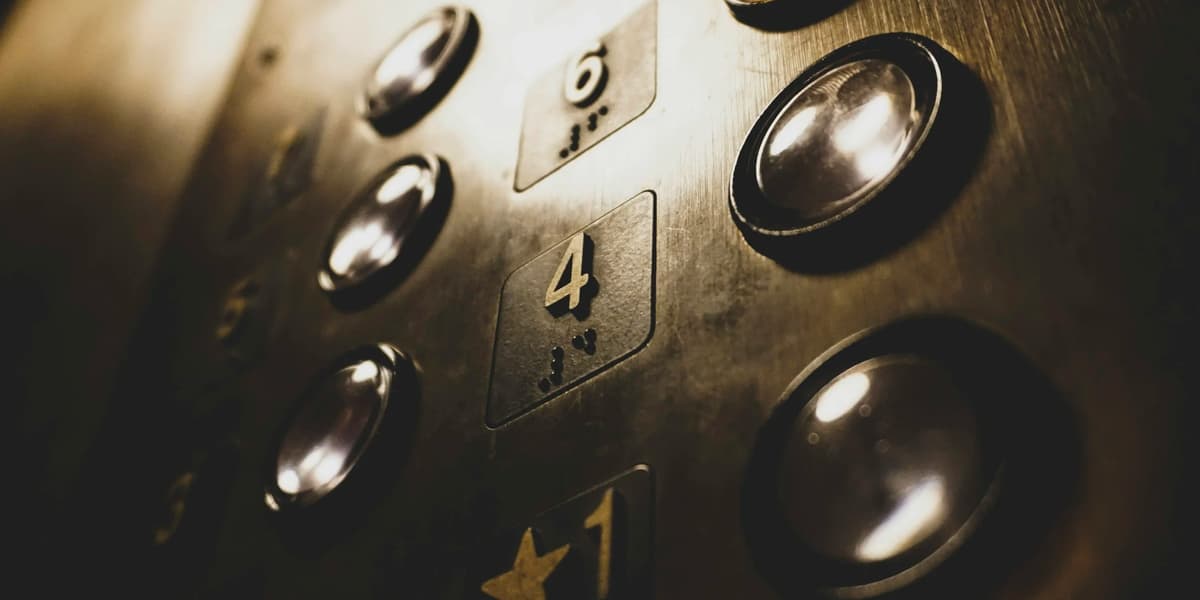
Cellular elevator monitoring and dialing
Elevator emergency phones are required to work, and most still ride on analog copper that carriers are retiring and repricing hard. Moving them to cellular removes a dependency on a line being switched off underneath you, and adds real-time monitoring so you hear about a fault before a trapped passenger does.
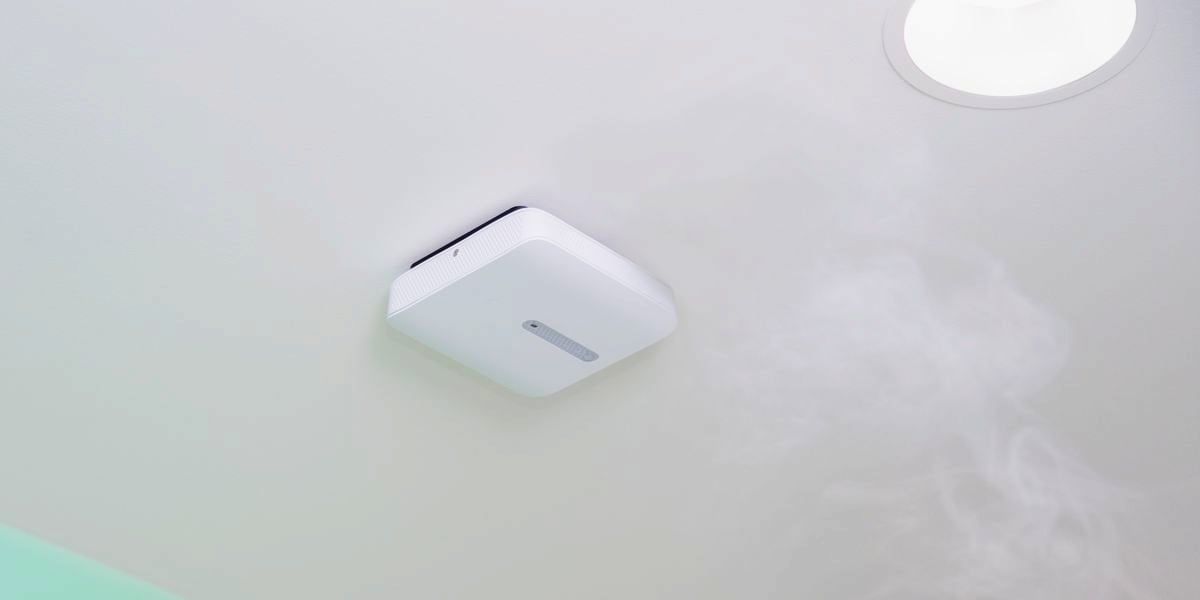
Vape detection sensors
Sensors that alert the moment vaping is detected, tied into the camera system so the footage arrives with the alert instead of an anonymous notification. Mostly deployed in schools, where the bathrooms have no cameras for obvious reasons and are therefore the one place staff cannot see.
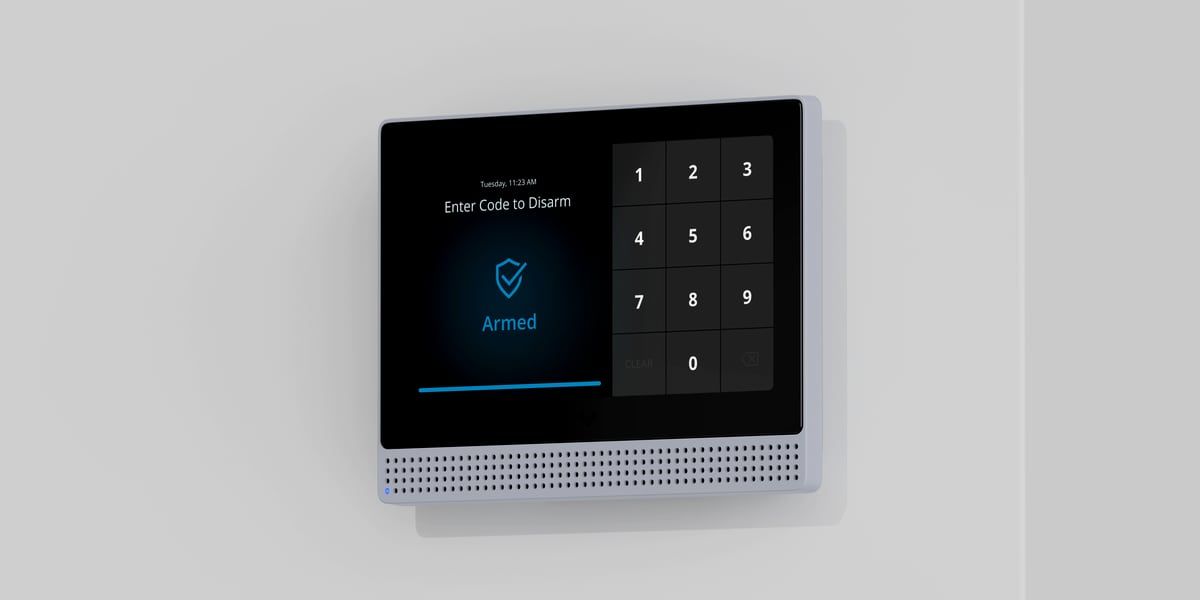
Burglar alarm systems
Around-the-clock monitoring with immediate alerts on unauthorized access. Designed alongside the cameras and the door hardware, so an alarm event and the footage of it are one investigation, with nothing to reconcile at six in the morning.

Other services
Let's talk about what's not working.
A 20-minute call with a consultant. No sales script.