
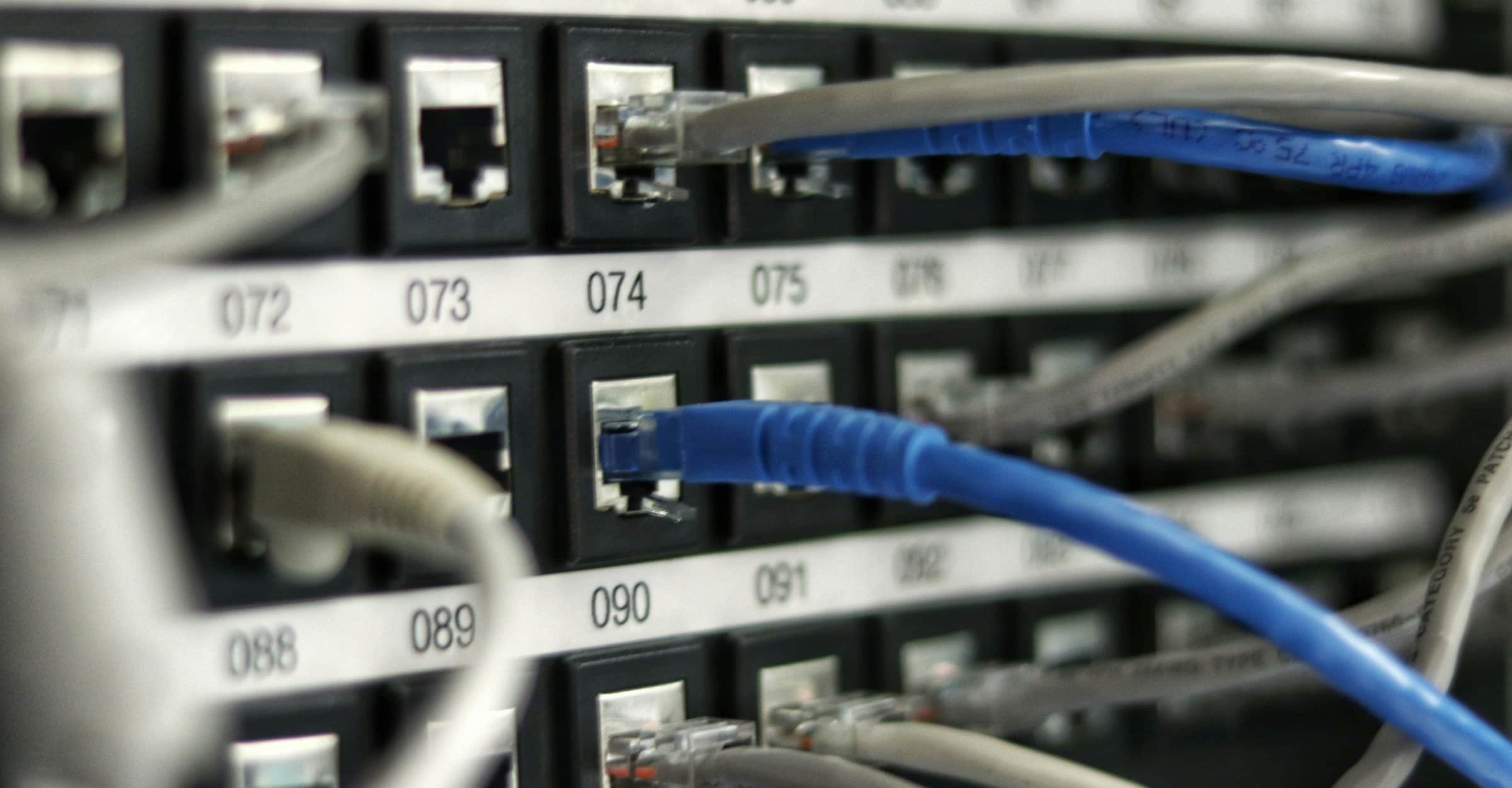
Cable is the layer you only get to install once.
Copper, fiber and AV pathways designed, pulled, certified and documented. New construction, renovation, or the closet nobody has documented for fifteen years.
Everything above the cable assumes the cable is right. Switches, wireless, cameras, phones, door readers: all of it inherits whatever was pulled through the walls, and when that layer is wrong you can spend a year troubleshooting the symptom somewhere else entirely.
So we design to standard, label both ends, and hand over certification results and as-built drawings for every run. An undocumented closet turns into an expensive mystery the moment the person who built it changes jobs, and that person always eventually changes jobs.
New build, renovation, or a room that has been added to for fifteen years without a drawing. We scope it, pull it and certify it, coordinate with the other trades on site, schedule around your operating hours, and clean up behind us.
Working on an active construction site
New construction has a sequence and low voltage sits near the end of it, which means we are dependent on everyone ahead of us running to plan. We coordinate with the general contractor and the other trades so rough-in lands while the walls are still open and trim-out lands once they are closed, instead of cutting back into finished drywall because nobody sequenced it.
Occupied buildings have the opposite constraint. Nothing can stop the organization working, so the job gets scheduled around your hours, penetrations get fire-stopped properly on the way through instead of as a snag item afterwards, and the site is left clean at the end of every day instead of at the end of the project.
Either way you get one point of contact who is accountable for the cable, the pathways and the documentation, instead of three subcontractors pointing at each other when a drop fails certification.
Certified means tested, not just installed
Certification is a test, not a description. Every run is checked with a tester against the standard it was installed to, and it either passes or it does not. A drop that looks tidy and terminates cleanly can still fail on crosstalk, length or return loss, and the two ways to find that out are a tester now or a year of intermittent faults nobody can reproduce later.
It is also what the manufacturer warranty depends on. Panduit and Leviton will stand behind an installation for decades, and the paperwork for that rests on certified results from a qualified installer. An uncertified install is cheaper on the day and uninsured for twenty years, which is a trade nobody makes on purpose because nobody explains it at quoting time.
Ask for the results and you get them, drop by drop, matching the labels on your as-builts. Districts and general contractors usually want them at closeout, and having them ready is the difference between a clean handover and a fortnight of email.
Five cable types, and when each one is the right answer
Specifying cable is mostly about not overbuying. Here is what each one buys you, and where spending more stops returning anything.
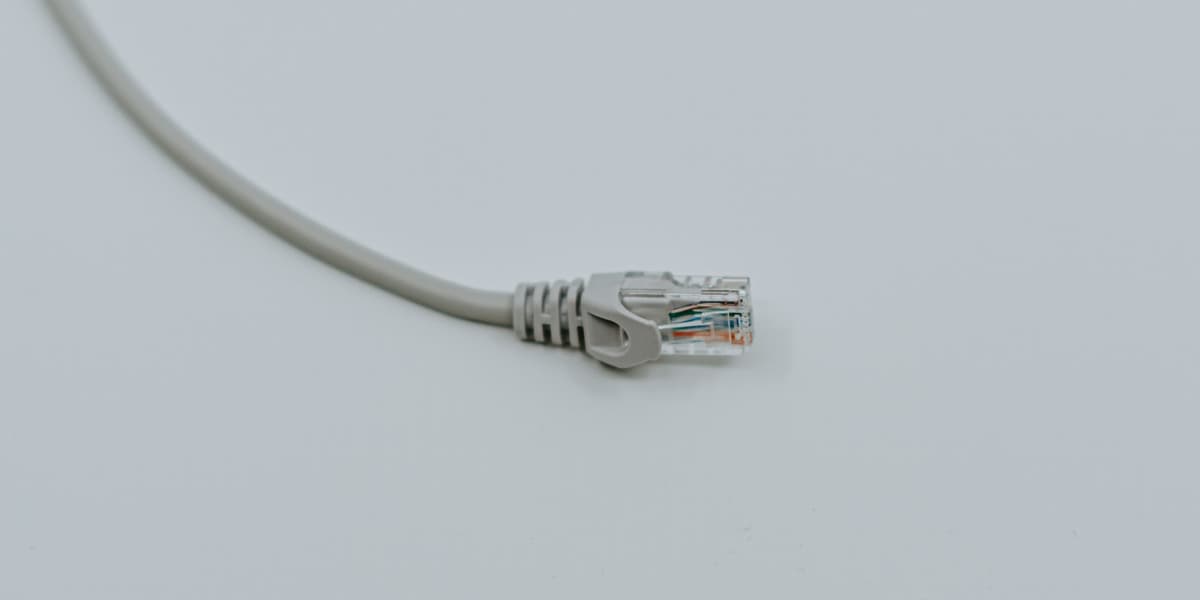
Ethernet copper, CAT6
Up to 1 Gbps across the full 328 foot run. The right answer for standard desk drops, phones and most access points, where paying for 10 gig would buy capacity nobody is going to use in the life of the cable.
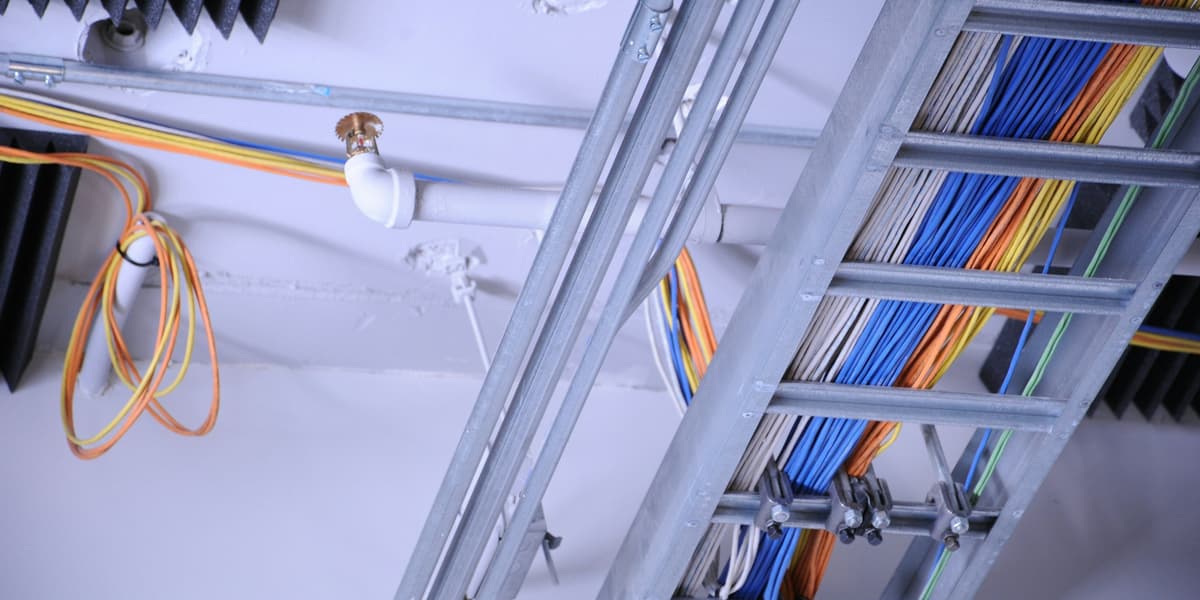
Ethernet copper, CAT6A
Up to 10 Gbps over the same 328 feet, with tighter crosstalk control. Worth the money on uplinks, high-density wireless and anything feeding a closet you would rather not reopen in five years.
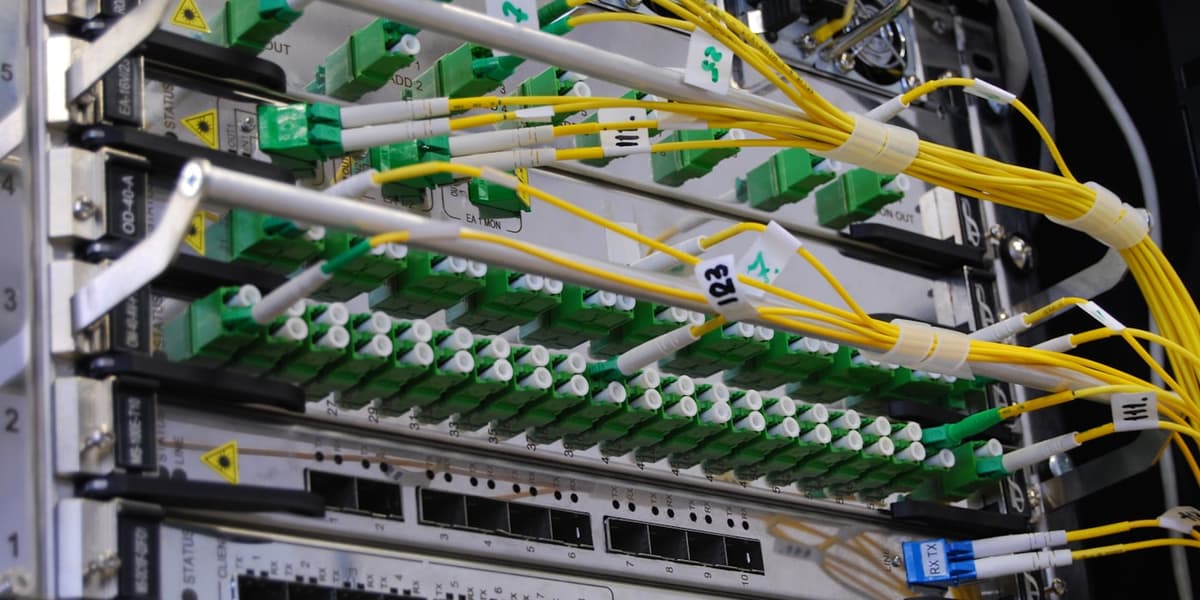
Fiber optic
Light instead of electricity, so distance without signal loss and complete immunity to electrical interference. This is what goes between buildings, between closets, and anywhere copper's 328 feet stops being enough.
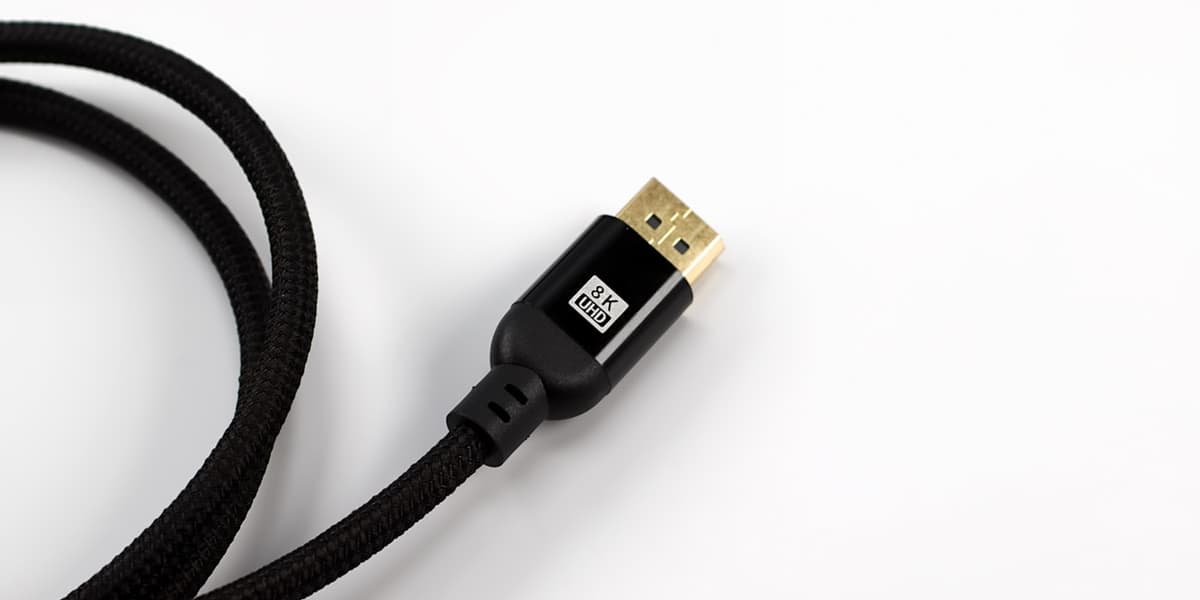
Audio visual cabling
HDMI, VGA and the rest, run in-wall and terminated properly instead of draped behind a display. The difference shows the first time a presenter walks in, plugs in and starts on time.
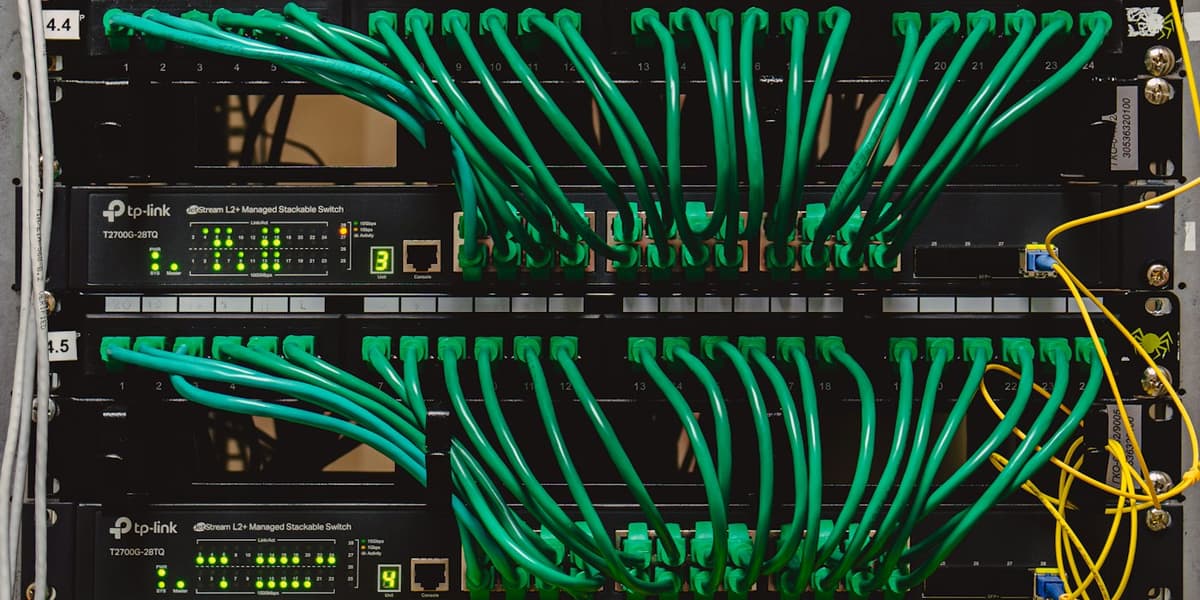
Network closet patch cleanup
The one nobody advertises. We reroute, label and dress what is already there, so airflow improves, troubleshooting no longer means tracing unlabelled cable, and the next person who opens that door can find a single run without tracing it by hand.
Six steps, and two of them are the ones that get skipped
Any contractor can pull cable. The difference is what you are handed at the end, and whether anyone can prove the runs perform.
- 01 Walk it
- 02 Design
- 03 Pull
- 04 Terminate
- 05 Certify
- 06 Document
Walk the building, not the drawing
Drawings are optimistic about what is above the ceiling. We walk the actual route, find the fire-stopped walls, the asbestos abatement, the beam nobody drew, and price the job against the building that exists.
Design the pathways first
Tray, conduit and closet positions get decided before anything is pulled, with capacity left for what comes next. Most retro-fit pain comes from pathways sized exactly to the first install and never again.
Pull it clean
Correct bend radius, no over-tensioning, separation from electrical, and support at proper intervals. Cable damaged during the pull tests fine on day one and fails intermittently for years afterwards.
Terminate and dress
Both ends terminated to standard and dressed into the panel so the closet is workable. This is the step where a rushed job becomes visible to anyone who opens the door later.
Certify every drop
Every run tested with a certification tester and the results handed over, not a continuity check with a cheap tester. If a drop does not pass, you find out from us before handover, not from a user in six months.
Document it so it survives you
Labels at both ends, port-to-outlet records, as-built drawings and the certification results, handed over as files you own. The test of a cabling job is whether somebody who was not there can work on it.
Plenty of quotes stop at step four. That is why they are cheaper, and it is also why you cannot prove what you bought.




Other services
Let's talk about what's not working.
A 20-minute call with a consultant. No sales script.